The Utility of Chiropractic Care
A Holistic Approach to Wellness
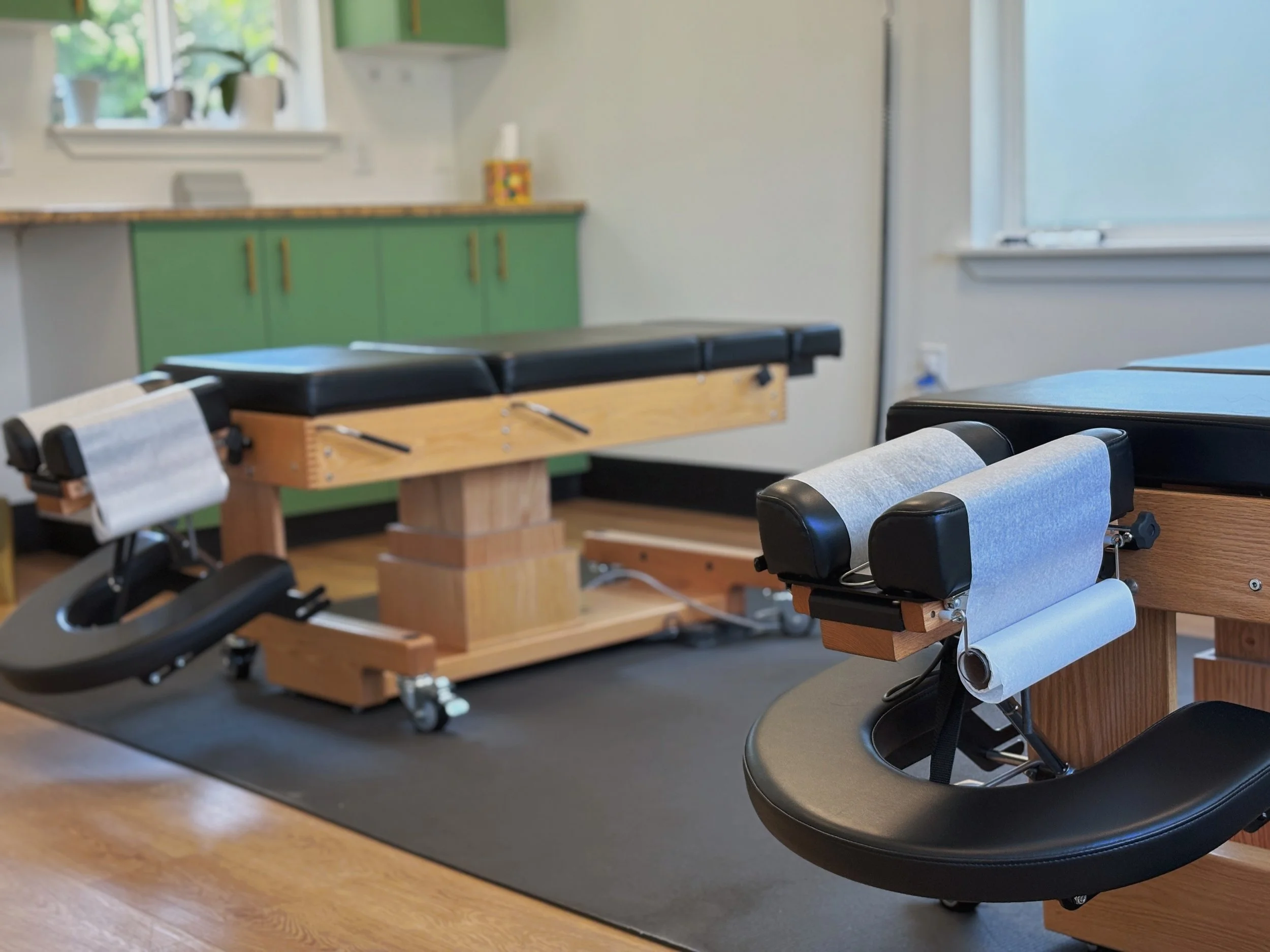
Chiropractic care is a non-invasive, drug-free approach to addressing a wide range of health concerns. While many of our patients initially seek chiropractic care for pain relief, its benefits extend far beyond temporary symptom management. By supporting spinal health and surrounding tissue function, enhancing neuromuscular communication, and improving overall movement patterns, Lifestyle Chiropractic strategies provide a holistic pathway to better health. From reducing pain and stiffness to enhancing mobility, chiropractic care addresses a range of conditions, including headaches, nerve function, and athletic performance, by focusing on the relationship between the spine, nervous system, and musculoskeletal system to promote long-term wellness.
Reducing Pain Through Restored Spinal Function
One of the primary goals of chiropractic care is to restore proper joint function in the spine. When joints in the spine or other areas are not moving correctly, it creates inflammation and muscle tension, which results in pain. Gentle chiropractic care helps improve joint motion, reduce musculoskeletal stress, and distribute weight more evenly throughout the body. This balance helps relieve discomfort in the back, neck, and other areas of our body while supporting long-term pain prevention. Regular chiropractic care can provide sustained relief, helping individuals manage chronic pain and maintain optimal function.
Reducing Stiffness and Enhancing Joint Mobility
Stiffness often indicates limited movement within spinal segments or other musculoskeletal regions. Chiropractic adjustments address these restrictions by improving joint mobility, allowing the body to move more naturally and fluidly. Enhanced spinal joint function supports better circulation, reduces muscular tension, and restores flexibility, making everyday activities like bending, reaching, and turning feel more comfortable. Lifestyle Chiropractic principles emphasize improving overall mobility and function as a foundation for health, helping patients move more efficiently and reduce strain over time.
Increasing Flexibility and Functional Movement
Beyond alleviating stiffness, chiropractic care enhances overall flexibility and mobility. Proper spinal and joint function reduces compensatory muscle tension, allowing for more unrestricted and more natural movement. Lifestyle Chiropractic patients receive tailored exercises and stretches to reinforce the effects of chiropractic adjustments, helping them maintain mobility gains and stay active in the long term. These strategies align with Lifestyle Chiropractic practices that prioritize sustainable improvements in function, flexibility, and physical resilience.
Relieving Headaches Through Targeted Care
Headaches are frequently associated with tension and compromised spinal joint function in the neck and upper back. Poor posture, prolonged screen use, and stress can exacerbate these issues. Chiropractic adjustments enhance joint mobility in the cervical spine, reduce muscle tension, and alleviate pressure on surrounding nerves and tissues. This can lead to a reduction in headache frequency and intensity. Lifestyle Chiropractic approaches also consider lifestyle modifications such as ergonomics, sleep habits, and stress management to address the root causes of recurring headaches.
Strengthening Weak Muscles and Improving Stability
Chiropractic care supports not only the joints but also the muscles that stabilize and move the body. Weak or underactive muscles can lead to compensatory strain and dysfunction. Through rehabilitative exercises and movement strategies, chiropractic care strengthens targeted muscle groups, enhances coordination, and improves posture. Restored spinal joint function facilitates better communication between the nervous system and muscles, promoting stability, strength, and efficient movement.
Managing Nerve Pain and Enhancing Neural Communication
Nerve-related pain is a concern for many individuals, and chiropractic care may offer relief in some cases by influencing how the nervous system processes information from joints and surrounding tissues. When spinal joint function is impaired and the soft tissues around a joint become tight or irritated, the balance between proprioceptive (position and movement sensing) input and nociceptive (pain-related) input can shift toward more pain signaling. Chiropractic adjustments aim to restore healthier joint mobility and improve tissue extensibility in the muscles, ligaments, and fascia around the spine. As these structures move more normally, the mechanoreceptors in the joints and tissues send clearer proprioceptive signals to the nervous system. This increase in high-quality proprioceptive input can help “turn down the volume” on nociceptive signals at the spinal cord level, potentially reducing the perception of pain. In this way, adjustments don’t just address mechanical irritation of nerves—they also work through the tissue–nerve interface to modulate how the brain and spinal cord interpret signals coming from the spine and surrounding tissues.
Decreasing Numbness and Tingling
Numbness and tingling can result from altered nerve signaling due to compression, irritation, or tension. By restoring spinal joint function and improving soft tissue mobility, chiropractic care reduces mechanical stress on nerves and enhances the quality of sensory information reaching the nervous system. Improved proprioception and tissue mobility help normalize sensation, reducing abnormal feelings such as pins and needles while supporting long-term nerve health.
Supporting Overall Spinal Health
At Lifestyle Chiropractic, we believe a healthy spine is central to overall wellness. Regular chiropractic care promotes optimal spinal joint function, supports good posture, and encourages healthy movement habits. Early identification and correction of minor issues help prevent more serious problems from developing over time. Lifestyle Chiropractic emphasizes education on safe lifting, ergonomics, and movement strategies to protect the spine in everyday life, reducing the risk of degenerative changes and chronic pain.
Enhancing Athletic Performance
Athletes of all levels benefit from chiropractic care. Optimal biomechanics, joint function, and muscle efficiency are crucial for achieving peak performance and preventing injuries. Chiropractic adjustments enhance flexibility, coordination, and recovery, enabling athletes to perform at higher levels and recover more quickly after training or competition. Personalized plans, including adjustments, mobility exercises, and strength training, help athletes meet the specific demands of their sport while supporting resilience and long-term performance.
Chiropractic care is a versatile, holistic approach to health and wellness. By focusing on spinal joint function, overall joint health, and the relationship between the nervous and musculoskeletal systems, chiropractic care helps reduce pain and stiffness, alleviate headaches and nerve-related symptoms, improve mobility, and enhance overall function and athletic performance. Personalized care plans ensure that treatment aligns with individual goals, lifestyle, and physical needs. When thoughtfully integrated into a broader wellness strategy, lifestyle chiropractic principles provide a sustainable, natural, and effective path toward better health, improved function, and higher quality of life.